Slab Foundations in Houston Clay Soils: How PRIS Concrete Helps Prevent Cracks and Shifting
If you live in the Houston area, you know the ground here is not easy on concrete. Our clay soils swell when they get wet and shrink when they dry out. That constant movement is rough on slab foundations and can lead to cracks, sticky doors, and uneven floors.
At PRIS Concrete, we build and repair slab foundations with Houston’s clay soils in mind. In this article, we will walk through why the soil is such a problem, what warning signs to watch for, and how we approach slab design and installation so you get a stronger, more stable foundation.

Why Houston Clay Soils Are Tough On Slab Foundations
The main problem is moisture. Houston clay acts like a sponge.
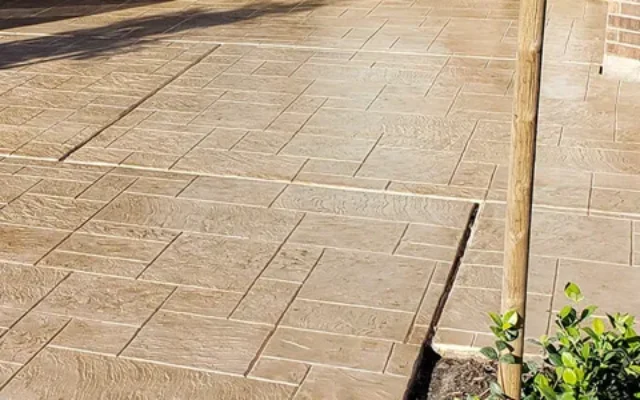
When it gets wet, it swells and pushes up on the concrete. When it dries, it shrinks and drops away. Over time, that up and down motion can cause:
- Cracks across the slab
- One side of the house settling lower than the other
- Stress on walls, brick, and framing
You may hear people call this “heaving” and “settlement.” It all comes back to how clay soils behave, especially around the edges of the slab where water collects near flower beds, driveways, and patios.
If you want to dig into the science of this, you can read more about expansive clay on Wikipedia. For most homeowners, it is enough to know that the soil here is active and your slab must be built to handle that movement.
Common Slab Foundation Problems We See Around Houston
Many of the calls we get at PRIS Concrete start with the same list of symptoms. You may notice:
- Cracks in interior walls, especially over doors and windows
- Gaps between baseboards and the floor
- Doors that start sticking or do not latch correctly
- Floors that feel uneven or sloped
- Cracks in the slab that run from one side to another
- Brick cracks or stair step patterns in the exterior masonry
Some of these can be cosmetic. Others point to real movement in the structure. Our job is to help you understand which is which and what to do next.
How PRIS Concrete Designs Slab Foundations For Houston Clay Soils
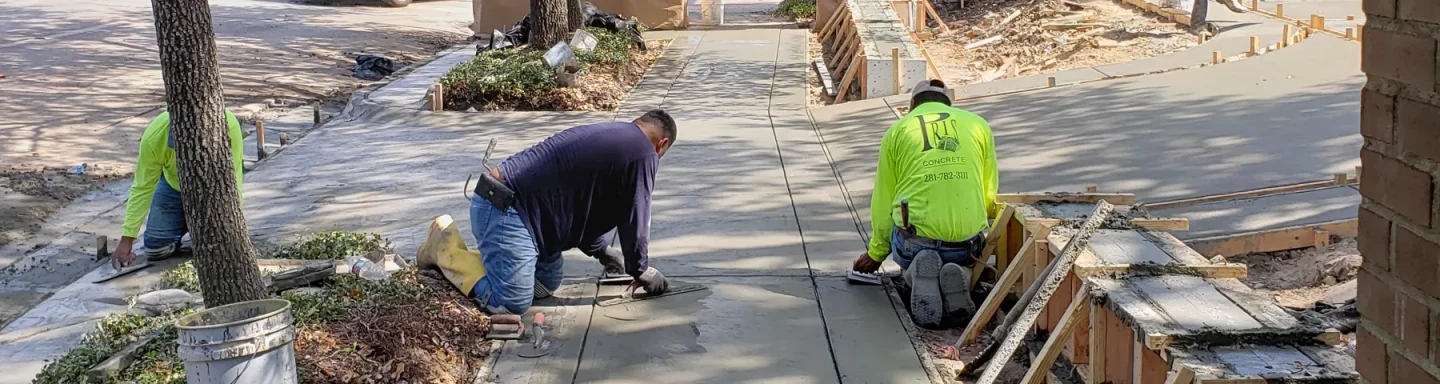
We bring a structural mindset to every slab we pour, whether it is for a new custom home, a room addition, a detached garage, or a light commercial building.
1. Site and Soil Awareness
We start by looking carefully at:
- The layout of the lot
- Drainage patterns around the house or building
- Existing trees and roots near the footprint
- Any visible signs of past movement or repairs
For new construction, we coordinate with the builder and, when needed, an engineer. For repair or additions, we look at how the existing structure is behaving so the new slab works with what is already there.
2. Proper Excavation and Base Prep
You cannot build a stable slab on top of loose or unprepared soil.
Our crews:
- Strip away soft topsoil and organic material
- Re-grade the area to support proper drainage away from the structure
- Install a compacted base where required
- Make sure the subgrade is tight and uniform, not a patchwork of soft and hard spots
This step helps reduce uneven settlement and gives the slab a consistent surface to sit on.
3. Slab Thickness, Beams, and Reinforcement
The heart of slab performance is the structure inside the concrete.
Based on the design, we pour slabs with:
- Proper overall thickness for the load and use
- Deepened beams and grade beams that carry the weight of the structure
- Reinforcement such as rebar and, when specified, post tension systems
The exact layout depends on the engineering and the type of building, but the goal is always the same. The slab needs to act like one solid piece that can span across areas where the soil wants to move.
This is where our experience in structural concrete really matters. You can learn more about that side of our work on our structural concrete services page.
4. Drainage and Surface Water Control
A big part of slab health is how water behaves around it.
We look at:
- Roof runoff and gutter downspouts
- Grade around the home or building
- Hard surfaces such as driveways and patios that might push water toward the slab
When needed, we recommend changes such as regrading, extending downspouts, or adding drains. You want a consistent moisture level around the slab, not a wet corner on one side and a dry corner on the other. That difference in moisture is a common cause of foundation movement.
5. Concrete Mix, Placement, and Curing
We use quality concrete mixes that match the project needs and local conditions. The key points are:
- Proper strength for the loads the slab will carry
- Low enough water content to keep the concrete strong
- Correct placement practices so the mix is consolidated with no hidden voids
After the pour, we focus on curing. Controlled curing helps the concrete gain strength and reduces the chance of early shrinkage cracks. We also give you clear instructions on when framing or other trades can safely start working on the slab.
New Slabs Versus Additions and Repairs
PRIS Concrete works on both new slab foundations and projects where we extend or repair an existing slab.
New Construction Slabs
For a new home, shop, or light commercial building, we:
- Coordinate with your builder and engineer
- Follow the approved foundation plan
- Maintain quality control during excavation, base prep, reinforcement, and pour
- Document the process so you know the slab was built correctly
A well built slab at the start is the best “repair plan” you can ever have. It gives the structure a solid base for the long term.

Slabs for Room Additions and Garage Conversions
When you add living space, the new slab must work with the existing house.
We pay close attention to:
- How the existing foundation was built
- Elevations and floor heights
- Where to tie the new slab into the old
- How to manage moisture between the two sections
The goal is to make the addition feel like it has always been part of the house, not a piece that was tacked on. If you are planning a room addition or garage conversion, our residential concrete services page is a helpful place to start.
Repair and Replacement Work
Some slabs are too far gone and need more than cosmetic repairs. In those cases, we may:
- Remove and replace sections of the slab
- Install new reinforced concrete in problem areas
- Work alongside foundation repair contractors when piers or other systems are required
Every project is different. We do not push one “fix” for every problem. We look at the structure, the soil, and your long term plans for the property.
Structural Versus Cosmetic Cracks
Many Houston homeowners ask the same question: “Are some cracks normal?”
The honest answer is that tiny hairline cracks can happen even in a well built slab. They often show up as thin surface lines that do not change much over time.
We worry more when we see:
- Wide cracks that you can fit a coin into
- Cracks that change height from one side to the other
- Cracks that run all the way across rooms or through multiple areas
- Doors and windows near the cracks starting to stick or shift
If you see changes like that, it is a sign that the slab and the soil may be moving in a way that needs attention.
Our Process When You Call PRIS Concrete About Foundation Concerns
Here is what you can expect when you reach out:
- Conversation about what you are seeing
We ask about cracks, doors, floors, and how long the issues have been going on. - On site visit and visual inspection
We look at the slab, the structure, and the property around it, inside and out. - Honest assessment
If what we see is mainly cosmetic, we will tell you. If it looks structural, we will explain why and what steps to take next. - Clear scope of work
For projects that call for our services, you will get a written description of what we recommend and why. - Coordination with other pros
When engineers or foundation repair specialists need to be involved, we are used to working as a team to get the right fix.
Our goal is simple. We want you to understand what is going on with your slab and have a clear path to make it better.
Frequently Asked Questions About Slab Foundations In Houston
Do I always need an engineer for a slab foundation?
For many new homes and larger structural projects, yes, an engineer should be involved and will provide a stamped plan. For smaller projects, flatwork, and some additions, an engineer may not be required. We will always tell you when we believe engineering input is the right move.
Are all slab cracks a sign of failure?
Not always. Small hairline cracks can occur as concrete cures. What concerns us more are wide cracks, vertical movement, or patterns that line up with doors, windows, and framing issues. If you are unsure, have us take a look.
How long before I can build on a new slab?
Concrete gains strength over time. Framing can usually start once the slab has reached the strength called for in the plans, which is often a matter of days, not weeks. We will coordinate with your builder and let you know when it is ready based on the mix and conditions.
Do you handle demo and removal of old slabs?
Yes. PRIS Concrete can break out and remove old or failing slabs when replacement is the best option. We haul off debris and prepare the site for the new foundation.
Does weather affect slab installation in Houston?
Very much. Extreme heat, sudden storms, and cold snaps can all create problems if the slab is poured at the wrong time or not protected correctly. We monitor weather forecasts, adjust schedules when needed, and use curing practices that help protect your slab during the first critical days.
Takeaway: Build Slab Foundations For The Soil You Actually Have
Houston is built on clay that moves. If your slab is not designed and installed with that in mind, you are more likely to deal with cracks, shifting, and costly repairs later.
PRIS Concrete brings structural experience, real site evaluation, and careful slab construction together so your home, addition, or building has a solid base. From soil and drainage to beams, reinforcement, and curing, we focus on the details that matter in our climate and soil.
If you are planning a new build, an addition, or you are worried about the slab under your current home, reach out to PRIS Concrete and let us help you with slab foundations in Houston clay soils.