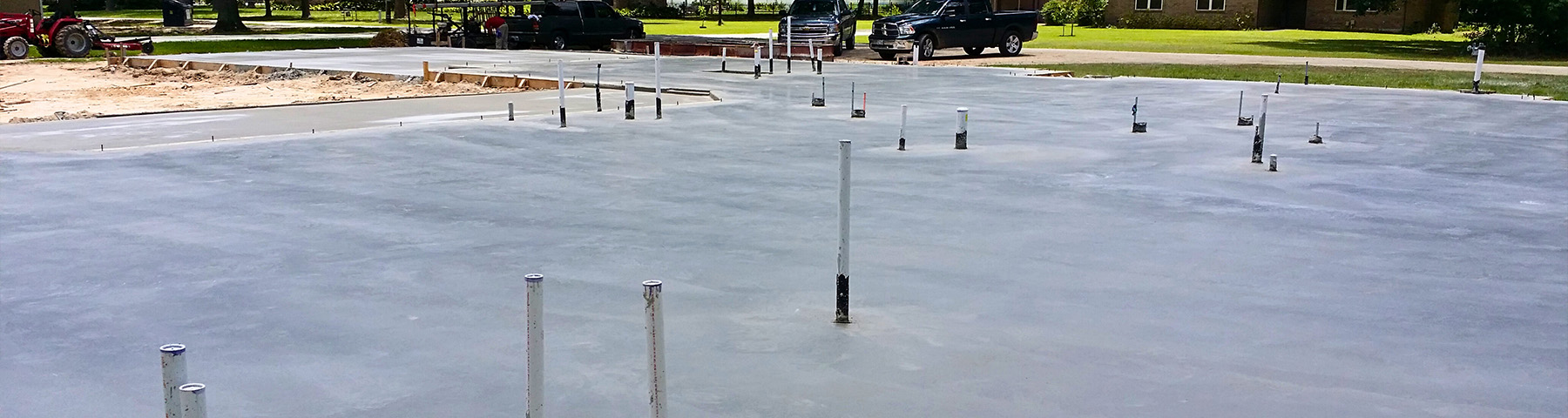
PRIS Concrete pours garage and house slabs in Houston
A strong slab starts with a solid base, the right reinforcement, and accurate elevations. We build garage and house slabs that hold up in Houston soil and keep your project on schedule.
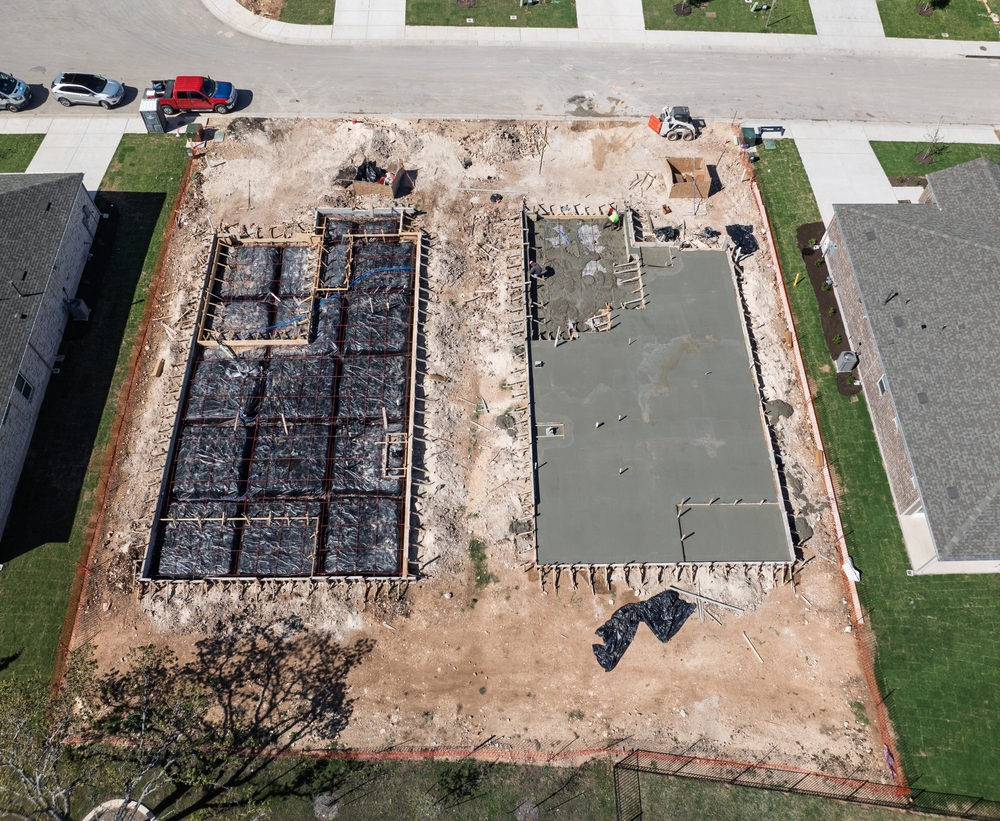
Why homeowners and builders choose PRIS Concrete
You get clear pricing, a consistent schedule, and a team that shows up ready to work. We set proper grades, reinforce where needed, and finish with care so your concrete looks good and holds up in Houston weather. We keep you updated from start to finish and walk the job with you before and after the project.
What you get with a PRIS slab
- Layout and formwork to plan
- Subgrade grading and compaction for a stable base
- Moisture barrier where required by plan or code
- Reinforcement sized to load and soil conditions
- Accurate elevations and slopes at doors and drains
- Anchor bolts, hold downs, and embeds set to spec
- Clean strike off, edges, and a flat, uniform finish
- Final walkthrough with curing and protection steps
If you are preparing a home addition, visit the Foundation Additions page to see how we tie new work into the existing structure. If your site needs grading or access work first, the Site Prep and Excavation page explains how we set a proper base before any pour.

Common slab projects

Garage slabs
New garages, expansions, and rebuilds after tear out. We confirm door openings, curb details, and slope for drainage. We set reinforcement and thickness based on expected loads.

House slabs and room additions
Slabs for new rooms and full additions. We drill and pin where needed, match finished floor height, and set transitions at doorways and porches.

Utility and equipment pads
Pads for generators, HVAC, water heaters, and shop tools. We size thickness and reinforcement to the equipment weight and anchor pattern.

Porch and entry slabs
Clean pours that set the height and slope for safe entry. We coordinate with your mason or carpenter so stairs and finishes align.
If you are replacing a failed slab section, the Repair and Replace Existing Concrete page covers full tear out and rebuild options that fix the root cause.
Our slab process
Plan
We meet on site, review drawings, measure, check access, and map drainage. You get a written scope and schedule before work begins.
Prep
We set forms to plan, grade and compact the base, place moisture barrier where required, and install reinforcement. We confirm elevations and door thresholds.
Pour and finish
We place the correct mix and thickness, strike off, bull float, edge, and finish to the spec needed for flooring or coatings. We cut or saw joints at the right spacing.
Protect and clean up
We set curing and protection steps, remove forms, backfill edges, and haul debris. We review care so the slab reaches design strength.

Details that protect your slab
- Proper subgrade compaction to reduce settling
- Vapor barrier or capillary break as required
- Reinforcement sized for load and span
- Control joints and isolation joints at the right locations
- Accurate anchor bolt placement for clean framing start
- Access planning so trucks and tools do not disturb the base
If the slab supports heavy vehicles or equipment, we can review thicker sections, higher strength mixes, fiber or rebar upgrades, and dowels at transitions.
Finishes and options
If you want a decorative look on adjoining outdoor areas, see the Concrete Patios and Stamped Concrete pages for finishes that pair well with a clean structural slab.

Steel trowel finish for interior floors to receive coverings

Broom finish for garage entries and exterior edges

Blockouts for plumbing and mechanicals

Sleeves and conduits for future utilities

Surface hardeners and sealers where specified
What to expect
- Line item estimate with clear pricing
- Start date and daily updates from your project lead
- Coordination with builder, framer, and utilities
- Respectful crews and a tidy job site
- Final walkthrough and maintenance tips
Serving Houston neighborhoods
We install and repair expansion joints across Houston, including River Oaks, Memorial, Galleria and Uptown, West University, Bellaire, Tanglewood, and other neighborhoods.
Visit the Areas Served page to choose your area and view nearby projects in the Projects gallery.
FAQs
How thick should a garage or house slab be
Most residential slabs are four inches with reinforcement, but door loads, point loads, and soil conditions can require thicker sections. We confirm design during the site visit or from your plans.
Do I need a vapor barrier
We follow plan and code. Many interior slabs need a moisture barrier to protect flooring. We install the proper membrane with taped seams and clean penetrations.
How flat will the slab be
We finish to the flatness required for your flooring or coating. If your plans call for a specific tolerance, we follow it and check as we go.
When can framing start
Light foot traffic is usually fine after 24 to 48 hours. Framing often starts after several days depending on weather and mix design. We confirm the timeline for your job.
What causes slab cracks
Concrete moves with temperature and soil. Proper base prep, joint layout, reinforcement, and curing help control where cracks form and how they behave. We build to reduce random cracking.
What affects price
Square footage, thickness, reinforcement, access, moisture barrier, embeds, anchor layout, and any special finish requirements. Your estimate shows each item so you can see where the cost comes from.