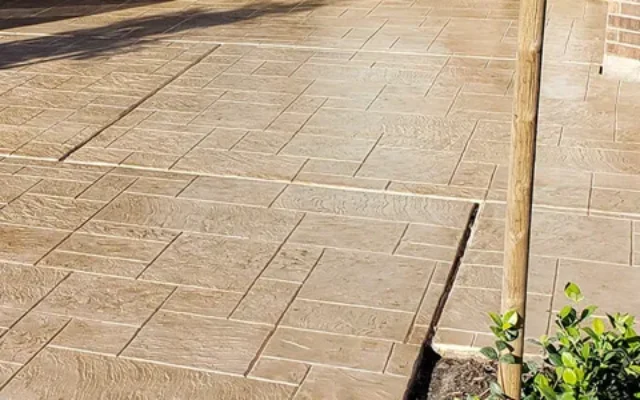
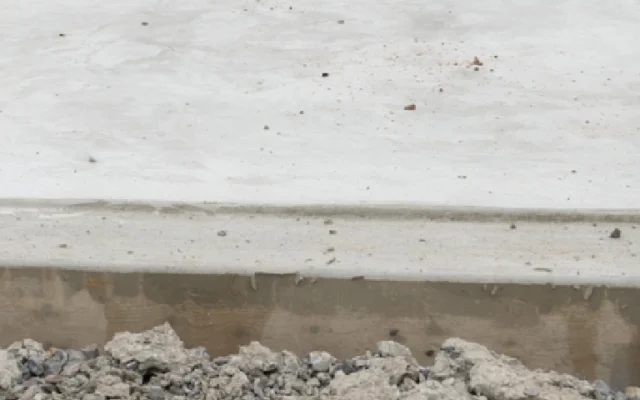
PRIS Concrete Installs Concrete Driveways in Houston That Are Built to Drain Right and Last
PRIS Concrete installs concrete driveways in Houston for homeowners who are tired of looking at cracks, dealing with standing water, or pulling up to a driveway that makes the whole front of the house feel worn down.
A bad driveway gets old fast.
You see it every day. Pull in. Back out. Walk across it. Notice the same cracks. The same low spots. The same rough sections breaking apart a little more every season. Sometimes the problem is cosmetic. Sometimes it is more than that. Water sits where it should not. Edges start failing. One section sinks. Another starts lifting. Before long, the driveway stops looking like a solid part of the home and starts looking like something you need to deal with.
That is usually how it starts.
Not with one huge failure. Just wear. Frustration. A driveway that is no longer doing its job the way it should.
We see that a lot in Houston.
Driveways here take a beating. Heat. Rain. Heavy vehicles. Shifting ground. Poor drainage. Weak prep work from the original install. All of it adds up. And when the driveway was not built right in the first place, those problems show up even sooner.
That is why driveway work needs to be done right from the start.
A concrete driveway should do more than give you a place to park. It should drain properly. Hold up to daily use. Frame the front of the home well. And feel solid every time you pull in. That is the standard homeowners should expect.
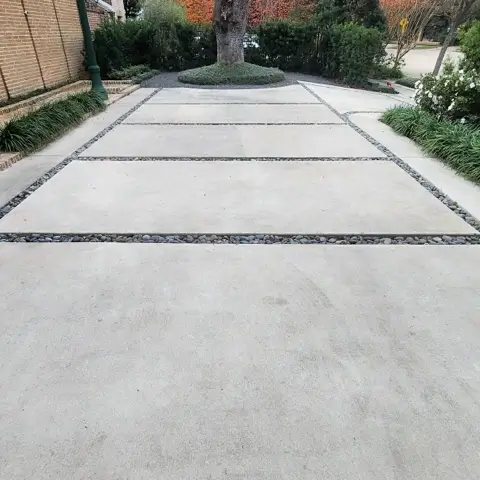
Most Concrete Driveway Problems Start Small
That is part of what makes them easy to ignore.
A little crack does not seem like a big deal at first. A low spot near the garage may not bother you much in dry weather. One broken edge may seem like something you can live with. But driveway problems have a way of spreading. Water finds the weak spots. Tires hit the same areas over and over. The slab keeps taking pressure. Then the small issue becomes the real issue.
Now the cracks are wider.
Now water is pooling.
Now part of the driveway feels uneven under your feet. Now the front of the house looks rough even when everything else looks clean. That is when homeowners start thinking seriously about replacing the driveway instead of patching it again.
Makes sense.
A driveway is a big surface. It affects curb appeal in a big way. It also affects daily function. If it looks bad, feels uneven, or drains poorly, you notice it all the time. Not once in a while. Every day.
Signs It May Be Time to Replace Your Concrete Driveway
Some signs are easy to spot.
Large cracks are one. Sinking sections are another. Spalling and surface breakdown matter too. So do broken edges, rough patches, and drainage issues that leave water sitting where it should not. If the driveway is holding water near the house or garage, that is not something to shrug off.
Then there is the overall feel of it.
Sometimes the slab is still technically there, but it is clear the driveway is past its best days. It looks tired. The finish is worn down. Repairs do not match. The whole thing feels patched together instead of solid. Homeowners can tell when the driveway is no longer helping the property.
That is often the point where replacement makes more sense than another quick fix.
Not because every crack means total failure. It does not. But once the driveway has multiple problem areas, weak drainage, or visible movement, putting more money into patchwork often just delays the real solution.
Drainage Is a Bigger Deal Than Most Homeowners Realize
This part matters more than people think.
A driveway can look pretty good and still have drainage problems. Water may run the wrong direction. It may sit in low spots. It may collect near the slab edge. It may wash out soil over time. None of that is good.
In Houston, drainage cannot be an afterthought.
We get hard rain. Fast rain. A lot of it. If the driveway is not graded properly, water will find a place to sit. Or a place to run where it should not. That can wear on the slab, create slippery spots, stain the surface, and add stress near the home.
A good driveway should shed water the right way.
That sounds simple. It is not always simple in practice. It takes proper grading, proper planning, and good execution during the install. That is one reason two driveways can look similar on day one and perform very differently a few years later.
What Makes a Concrete Driveway Last Longer
It is not just the concrete.
That is one of the biggest misunderstandings homeowners have. People see the finished slab, so they focus on the surface. The finish matters, sure. But the long-term performance of a driveway starts below that.
It starts with prep.
The base matters. Grading matters. Form work matters. Reinforcement matters. The thickness has to make sense for the use. The pour has to be done right. The finishing has to be clean. The cure matters too. If any of those steps are weak, the driveway will usually tell on itself later.
A longer-lasting concrete driveway usually comes down to a few key things:
- Proper site prep
- Strong base support
- Correct grading for drainage
- Solid form work
- Reinforcement where needed
- Clean finishing
- Attention to edges and transitions
That is what gives a driveway a better shot at holding up over time.
Not shortcuts. Not rushing. Not doing the surface work nicely while cutting corners underneath.
New Driveway or Driveway Replacement?
This is a question a lot of homeowners wrestle with.
Sometimes it is a brand-new driveway for a new home or major site improvement. Other times it is a replacement job because the old slab has simply run its course. The goal may be different, but the standard should be the same. The driveway needs to be strong, clean, and built to last.
For replacement projects, the question is usually whether repair is still worth it.
Sometimes it is. If the damage is limited and the slab is still structurally sound, small repairs can buy time. But if the driveway has widespread cracking, major settling, drainage issues, or years of patchwork already behind it, replacement is often the smarter move.
It usually costs more upfront.
It often saves money and frustration later.
Because at some point, homeowners are not really repairing the driveway anymore. They are just managing the decline of it. That is not always the best use of money.
A Driveway Does More for Curb Appeal Than People Think
This part is easy to underestimate.
Homeowners tend to think first about the roof, landscaping, paint, and front door when they think about curb appeal. Fair enough. But the driveway covers a lot of visual space. When it looks clean and well-built, the whole property feels sharper. When it looks cracked, stained, and worn out, it pulls everything else down with it.
You notice it before you even get out of the truck.
A clean concrete driveway gives the home a more finished look. It makes the front elevation feel better kept. It helps the house look more solid. More updated. More cared for. That matters whether you plan to stay for years or may sell later on.
And unlike some upgrades, this one is not just visual.
You are using it all the time. That gives the value more weight.
Common Driveway Mistakes That Cause Problems Later
Some driveway problems begin long before the first crack shows up.
Poor grading is one. Weak base prep is another. Thin sections can become a problem. Rushed finishing can be a problem too. Bad edge support. Weak transitions. Poor planning around drainage. All of that can shorten the life of the slab.
Another mistake is focusing only on the surface.
A driveway can look smooth and fresh the day it is poured. That does not tell you much by itself. The real test comes later. How it drains. How it handles traffic. How it responds to weather and time. That is where build quality shows up.
A few mistakes that often lead to trouble:
- Weak base preparation
- Poor grading
- Not planning for drainage
- Thin or inconsistent slab sections
- Weak edge support
- Rushed finish work
- Trying to patch a driveway that really needs replacement
Homeowners usually do not see those issues during the install.
They see them later.
That is why the contractor matters so much.
Why the Right Concrete Contractor Matters
Driveway work may sound simple from the outside.
Tear out the old one. Pour the new one. Done.
But that is not how good driveway installation works.
A strong concrete driveway takes planning. It takes careful prep. It takes attention to slope, grading, edge lines, transitions, and finishing details. It takes a crew that understands that the job is not just to pour concrete. The job is to build a driveway that performs well after the trucks are gone.
That is a different standard.
The right contractor helps homeowners make smart decisions early. They look at drainage. They look at grade. They look at how the driveway meets the garage, street, and surrounding areas. They think about the structure of the slab, not just the final appearance. And they know that a driveway has to do real work every day.
That is the difference between a driveway that looks new for a while and one that actually holds up.
Why Homeowners Choose PRIS Concrete for Driveway Installation in Houston
Homeowners choose PRIS Concrete because they want a driveway that feels solid, drains right, and improves the overall look of the property instead of becoming another headache a few years down the road.
That means the work has to go deeper than the finish.
It starts with planning. It starts with understanding the site. It starts with looking at grade, drainage, prep, reinforcement, and the way the driveway will actually be used. Then the work has to be carried through with clean form lines, good execution, and a finished slab that looks right and performs well.
That is what homeowners are really paying for.
Not just fresh concrete. A better result.
Some projects are full driveway replacements. Some are new installations. Some are straightforward. Some have drainage challenges or layout issues that need more thought. The details change. The goal stays the same.
Build the concrete driveway right.
The Difference Shows Up in Normal Life
That is the part that lasts.
You notice it when water drains the way it should after a hard rain. You notice it when the surface feels clean and solid underfoot. You notice it when you pull in and the front of the house looks sharper because the driveway finally matches the rest of the property. You notice it when there are no more rough patches, no more low spots, no more feeling like the slab is slowly giving up.
That is what homeowners want.
Not just a new driveway.
A better one.
FAQs About Concrete Driveways in Houston
How do I know if my concrete driveway should be replaced?
If the driveway has major cracks, sinking areas, surface breakdown, poor drainage, or multiple old repairs, replacement may make more sense than continued patching.
What causes a concrete driveway to crack?
Cracking can happen for different reasons, including poor base prep, shifting soil, drainage problems, normal wear, and age. Some cracking is minor. Some points to bigger structural issues.
Why is drainage important for a driveway?
Poor drainage can lead to standing water, staining, erosion, slab stress, and faster wear. In Houston, proper grading is a big part of a driveway that lasts.
How long does a concrete driveway last?
That depends on build quality, drainage, use, and maintenance. A well-built driveway with proper prep and grading will usually hold up better over time than one built with shortcuts.
What should I look for in a concrete driveway contractor?
Look for good planning, strong prep work, attention to grading and drainage, clean finishing, and a contractor who focuses on long-term performance, not just appearance.
If your current slab is cracked, uneven, or no longer draining the way it should, PRIS Concrete installs concrete driveways in Houston for homeowners who want a driveway that looks better, works better, and holds up the way it should.