7 Common Concrete Problems Homeowners Face and How PRIS Concrete Solves Them
Concrete problems do not usually start big.
They start small. A crack. A dip. A stain that does not wash out. Most homeowners ignore them at first. That is understandable. But concrete issues rarely stay the same. They grow.
At PRIS Concrete, we see the same problems again and again. The difference between a small fix and a major project is timing.

Problem One: Cracks That Spread
Concrete cracks. That is normal.
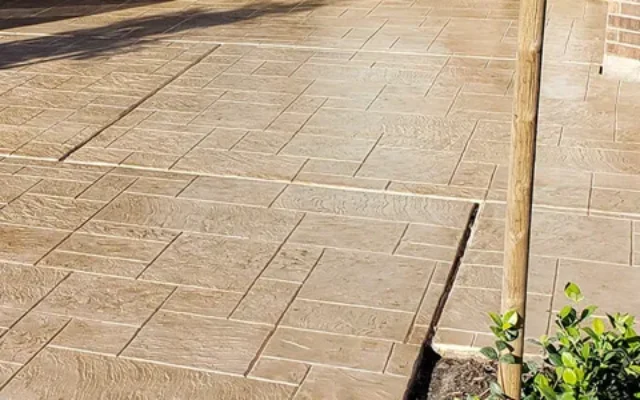
What is not normal is when cracks widen, branch, or sink. That usually points to movement below the slab.
Causes include soil shift, poor base preparation, or lack of reinforcement.
How we fix it:
Small cracks can be sealed. Larger or spreading cracks usually require replacement to prevent repeat failure.
Problem Two: Surface Flaking or Peeling
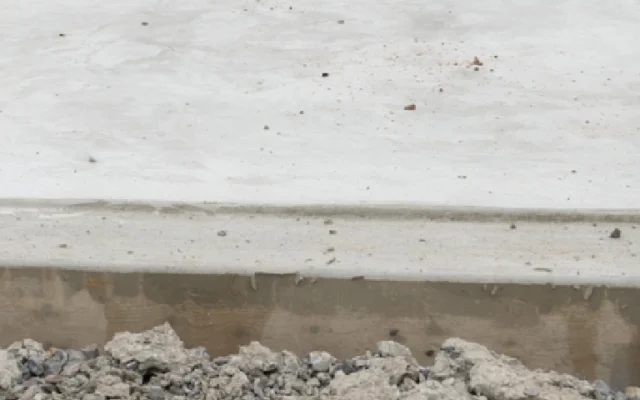
Spalling makes concrete look rough and worn.
It often comes from excess water in the mix or poor finishing during the original pour. Once the surface starts breaking down, it accelerates.
How we fix it:
Light spalling can sometimes be ground and sealed. Advanced cases are better handled with replacement.
Problem Three: Uneven or Settling Slabs
A slab that settles creates trip hazards and drainage issues.
This usually happens when soil erodes or was not compacted properly.
How we fix it:
Depending on severity, we either level the slab or replace it entirely.
Problem Four: Poor Drainage
Water should move away from the house. If it does not, problems follow.
Standing water weakens concrete and can affect foundations and landscaping.
How we fix it:
We correct slope during replacement so water flows where it should.
Problem Five: Staining and Discoloration
Oil, rust, and organic stains soak into older concrete.
Once the surface wears, stains become harder to remove.
How we fix it:
Cleaning and surface treatments help. In some cases, replacement gives the cleanest result.
Problem Six: Pop-Outs and Chips
Small chunks breaking out of the surface usually mean contaminants were present in the original mix.
How we fix it:
Localized repairs work if the damage is limited. Widespread pop-outs usually point to larger issues.
Problem Seven: Sidewalk Panels That Shift
Uneven sidewalks are both a safety issue and an eyesore.
Roots, soil movement, and age all play a role.
How we fix it:
We replace or realign panels to restore a smooth walking surface.
Why Waiting Makes It Worse
Concrete problems compound.
Small cracks turn into big ones. Drainage issues create erosion. Settling spreads stress across the slab.
Early action costs less. Late action costs more.
| Issue | Early Fix | Late Fix |
|---|---|---|
| Small crack | Seal | Replace |
| Minor settling | Level | Re-pour |
| Drainage issue | Re-grade | Structural repair |
FAQs
Is cracking always a failure?
No. Controlled cracking is normal. Uncontrolled cracking is not.
Can old concrete be made to look new?
Sometimes. It depends on surface condition.
What is concrete leveling?
A method to raise a settled slab without replacing it.
How soon can new concrete be used?
Foot traffic in 24–48 hours. Vehicles after about a week.
Is replacement disruptive?
Most residential projects are completed quickly.
Your Next Step
Concrete problems do not fix themselves.
If you are seeing cracks, settling, drainage issues, or surface breakdown, it is time to talk with a contractor who works with concrete every day.
Call PRIS Concrete at 281-783-4439 or request a free quote online. We will explain your options clearly and help you choose what lasts.